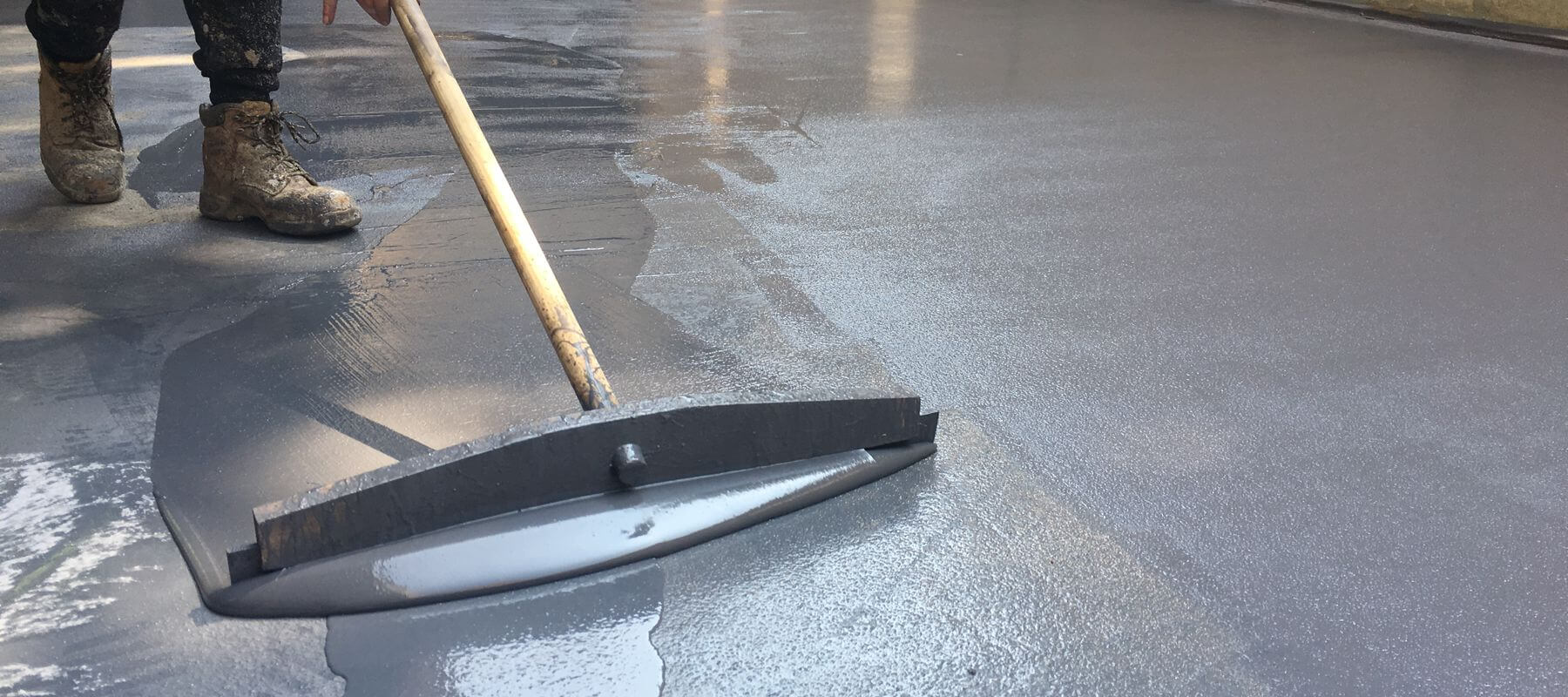
Applying an advanced structural waterproofing system is a critical engineering phase for securing a building’s sub-grade foundations and exterior envelopes against hydrostatic pressure, moisture migration, and progressive concrete degradation. Below-grade walls and concrete slabs face continuous exposure to shifting water tables, subterranean humidity, and lateral water tracking, which cause unprotected masonry to crack, effloresce, and structurally weaken over time. Modern waterproofing assemblies utilize high-solids elastomeric membranes, crystalline penetrating sealants, and heavy-duty drainage boards that chemically bond to the concrete substrate to form an impenetrable barrier. Wrapping foundation walls with these resilient coatings blocks liquid water entry while managing hydrostatic pressure by directing water flow safely away from structural joints into dedicated drainage footprints. This comprehensive sealing solution stops toxic mold colonization, protects reinforcing structural steel rebar from internal oxidation, and prevents seasonal freeze-thaw splitting. Investing in a specialized multi-layer moisture barrier reinforces the facility’s foundational core, lowers long-term building maintenance overhead, and ensures robust envelope protection that preserves the building’s structural integrity for decades.
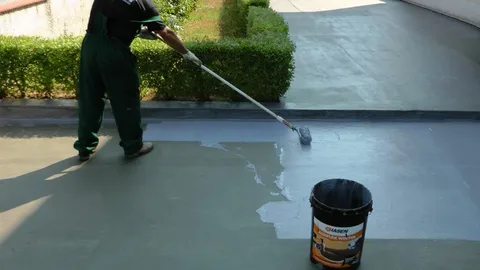
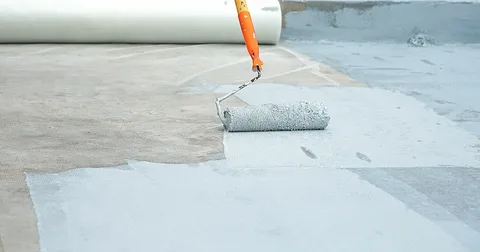
The structural waterproofing workflow relies on exact mechanical substrate cleaning and strict adherence to membrane curing parameters. Crews thoroughly excavate or clean target concrete surfaces, removing all loose dirt, form-release agents, and failing historic coatings down to a sound, profile-tested masonry substrate. Technicians then utilize high-strength hydraulic cements to patch active structural cracks, fill voids, and construct smooth, angled coves along all floor-to-wall cold joints. Once the concrete surface is verified structurally sound and dry, premium-grade liquid membranes or self-adhering sheet barriers are systematically applied across all vertical and horizontal planes. Technicians maintain precise mil-thickness tolerances during spray or trowel applications to guarantee a completely uniform, pinhole-free protective shell. Finally, heavy-duty dimpled drainage mats and protection boards are mechanically anchored over the membrane layer to shield it from backfill impacts and secure a permanently dry assembly.
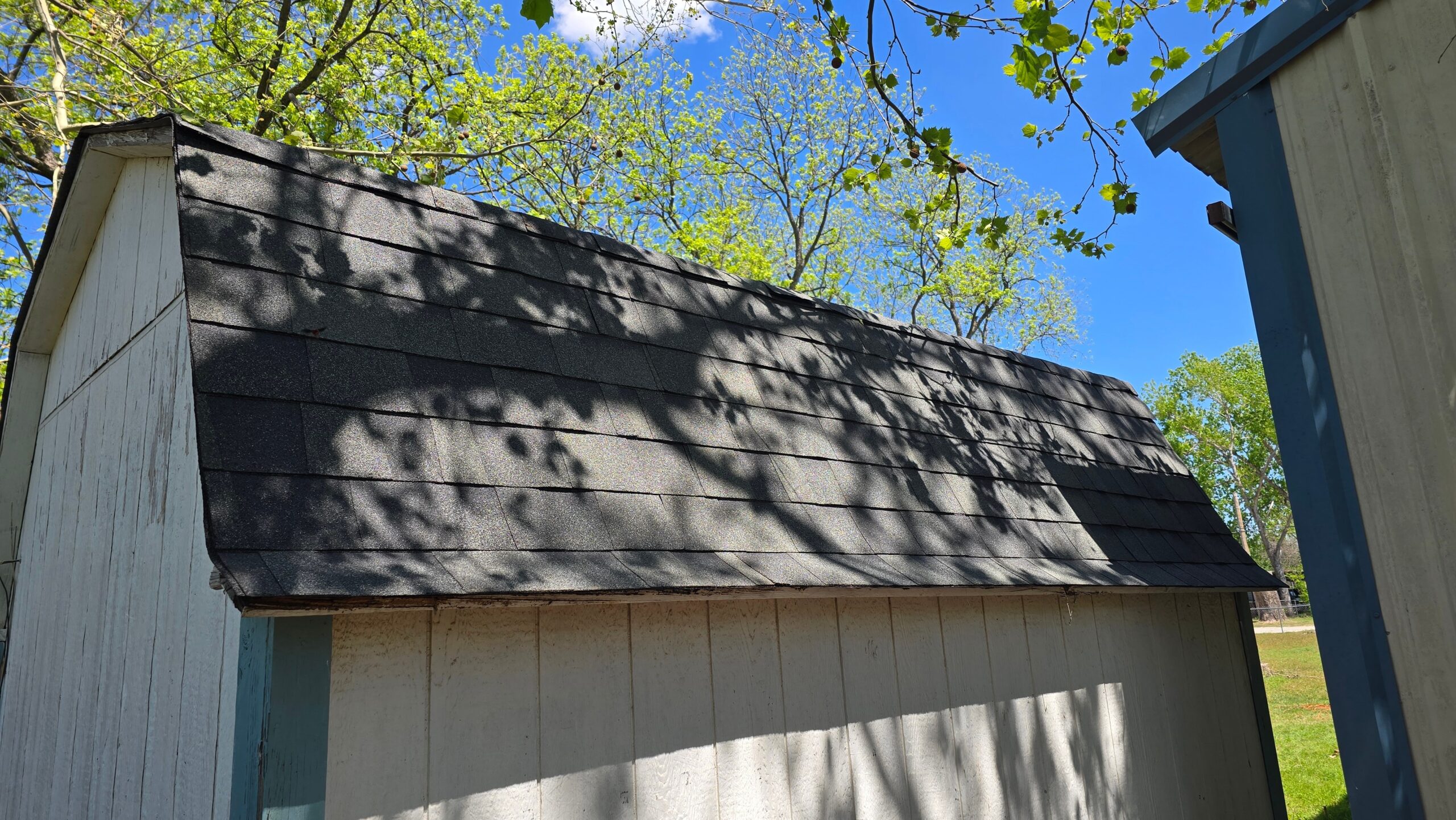
We prioritize quality, safety, and honesty to deliver dependable roofing solutions backed by unwavering commitment.